



 Garden The PlantShare Way ®

~ All About Garlic ~


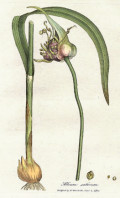
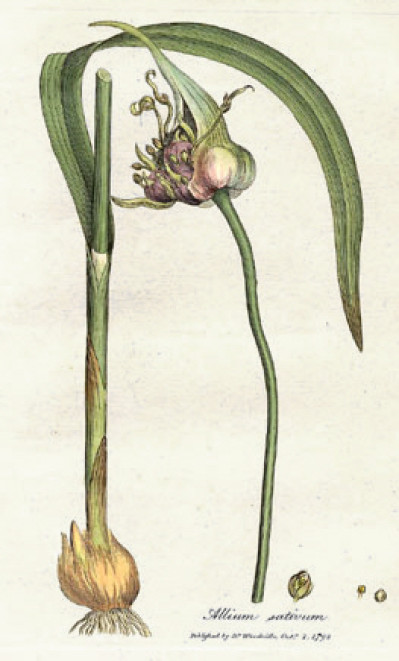
Garlic remains one of the easiest and most rewarding crops for beginner gardeners. Known botanically as Allium sativum, this hardy plant grows reliably in many climates and needs only basic care. Gardeners value it for its strong flavor, culinary versatility, and natural resistance to many pests.
Growing Allium sativum starts with choosing healthy cloves rather than seeds. Plant each clove in loose, well-draining soil during fall or early spring, depending on local climate. Position cloves with the pointed end facing upward and space them several inches apart. This spacing allows bulbs to develop fully while reducing competition for nutrients.
Sunlight plays a key role in successful growth. Garlic prefers full sun, ideally six or more hours each day. Consistent watering supports steady bulb formation, but avoid waterlogged soil because excess moisture can cause rot. Adding compost improves soil fertility and texture, helping roots grow strong.
Garlic also works well in mixed vegetable beds as a companion plant. It pairs especially well with Brassica oleracea var. sabellica (kale) and Brassica oleracea var. italica (broccoli). These cool-season brassicas share similar soil and sunlight needs, and garlic’s natural pest-repelling properties can help reduce pressure from aphids and caterpillars that often affect leafy greens and broccoli heads.
Understanding Allium sativum uses adds extra motivation for growing this crop. Fresh garlic enhances countless dishes, from roasted vegetables to sauces and marinades. Many gardeners also appreciate its traditional wellness applications, though culinary use remains the most common purpose. Homegrown garlic often delivers stronger aroma and flavor than store-bought bulbs.
Maintenance stays simple throughout the season. Remove weeds regularly so they do not compete with developing bulbs. If flower stalks appear, cutting them off redirects energy toward bulb growth. Harvest usually occurs when lower leaves turn yellow while upper leaves remain green.
After harvest, cure bulbs in a dry, ventilated place for several weeks. Proper curing extends storage life and improves flavor intensity. Once cured, garlic stores well for months under cool, dry conditions.
With minimal effort, Allium sativum rewards gardeners with dependable harvests, rich flavor, and versatile kitchen use.
Allium sativum is the scientific name for garlic. It belongs to the onion family and grows from a bulb made of 'cloves'. People grow it mainly for cooking because it has a strong taste and smell and because offers a variety of flavors depending on how it is prepared.
Garlic grows best in loose, well-draining soil. Sandy or loamy soil works well because it lets water drain easily. Adding compost helps improve nutrients and keeps roots healthy.
Most gardeners plant garlic in fall, a few weeks before the ground freezes. This gives roots time to develop before winter. In mild climates, early spring planting can also work.
Yes, garlic grows well in containers if the pot is deep enough. Choose a container at least 8–10 inches deep with drainage holes. Use light soil mix and place it in full sun.
First, let garlic dry in a shaded, airy place for about two weeks. After curing, store bulbs in a cool, dry spot with good airflow. Avoid sealed plastic bags because moisture causes spoilage.
Last updated on May 31, 2026
Species suggested by: Dina Russell, 2026
Plant Profile compiled and written by: Team PlantShare
Contributors: Team PlantShare
 Ask Us!