



 Garden The PlantShare Way ®
~ All About Oriental poppy ~

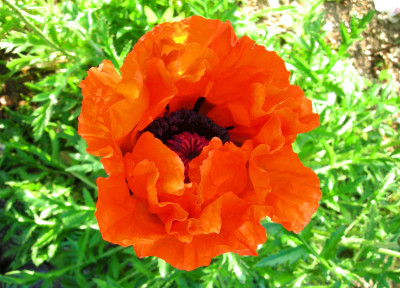
Oriental poppies (Papaver orientale) bring bold color and dramatic texture to spring gardens, making them a favorite among perennial growers. With their large, silky blooms and sturdy stems, they stand out among many oriental poppies varieties and create a strong visual impact in borders and mixed beds. Although they look delicate, these plants are surprisingly durable when grown correctly.
Success begins with planting oriental poppies in the right location. They prefer full sun and well-drained soil, as wet or compacted ground can shorten their lifespan. Choose a permanent spot, since oriental poppies develop deep taproots and dislike being moved once established. Fall planting works well in most regions, giving roots time to settle before spring growth begins.
Good oriental poppy care focuses on restraint rather than constant attention. Water young plants regularly during establishment, but reduce watering once mature. These poppies tolerate drought better than excess moisture. After flowering, foliage often dies back naturally in early summer. This dormancy is normal, so mark plant locations and avoid disturbing the soil.
To maintain visual interest after poppies go dormant, companion plants such as Echinacea purpurea and Alchemilla mollis work especially well. Echinacea purpurea (eastern purple coneflower) emerges later in the season, filling gaps with upright stems and long-lasting summer blooms that attract pollinators. Its deep roots and sun tolerance make it compatible with oriental poppies in mixed borders. Alchemilla mollis (lady’s mantle), with its soft, scalloped leaves and airy yellow-green flowers, provides low-growing coverage that helps mask poppy foliage as it fades, while also softening the overall garden design.
Gardeners often ask about transplanting, but this should be done only when necessary. If relocation is required, move plants in early fall and keep as much of the root system intact as possible. For expanding your planting, propagating oriental poppies through root cuttings offers better results than division. Small root sections planted in loose soil can develop into new plants over time.
Another advantage is that oriental poppies are deer resistant. Their rough, hairy foliage and sap make them unappealing to deer, which helps protect spring displays in areas with wildlife pressure.
With proper placement, patience, and minimal interference, oriental poppies reward gardeners with unforgettable blooms year after year. They suit gardeners who appreciate bold color, seasonal rhythm, and plants that thrive without constant care.
Yes, oriental poppies are perennials. They return each year from the same roots and live for many seasons when planted in the right spot.
Oriental poppies usually grow 2 to 4 feet tall. Height depends on the variety and growing conditions.
Grow them in full sun with well-drained soil. Plant them in a permanent location because they dislike being moved. Water young plants until established, then water only during long dry periods.
They bloom in late spring to early summer. Flowers often appear in May or June.
They do not spread aggressively. Plants stay in clumps, but they can slowly increase in size over time.
Plant them in early fall or early spring. Fall planting often gives stronger blooms the next year.
Propagate them using root cuttings. Take small root pieces in fall or early spring and plant them in loose soil.
Bloom time lasts about 7 to 10 days per plant. Multiple buds can extend the display slightly.
Plant them with perennials like daylilies, hostas, or ornamental grasses. These plants fill space when poppy leaves die back.
Provide full sun, good drainage, and minimal watering once mature. Do not overwater or overfertilize.
Cut back the foliage after it turns yellow and dies back naturally. This usually happens in early to mid-summer.
They can self-seed lightly, but it is not common. Most plants stay where they are planted.
Cut off spent flowers at the base of the stem. This keeps the plant tidy but does not extend bloom time much.
Last updated on May 31, 2026
Species suggested by: Dina Russell, 2020
Plant Profile compiled and written by: Team PlantShare
Contributors: Team PlantShare
 Ask Us!

