



 Garden The PlantShare Way ®
~ All About Cherry laurel ~


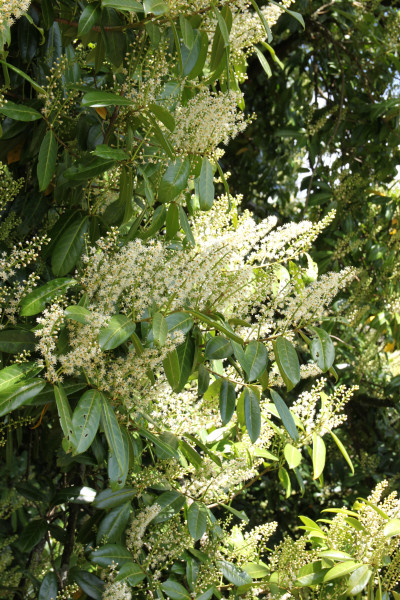
Cherry laurel (Prunus laurocerasus) is a popular evergreen shrub prized for its dense foliage, fast growth, and versatility in the garden. Its glossy green leaves provide year-round coverage, making it ideal for hedges, screens, or foundation plantings. Understanding proper plant care ensures healthy growth and a long-lasting, attractive shrub.
When planting, choose a site with well-drained soil and full sun to partial shade. Cherry laurel is hardy and adapts to a variety of soils, but adding compost during planting encourages strong root development. Regular watering is important during the first growing season, while established plants tolerate occasional dry periods. Mulching around the base helps conserve moisture and suppress weeds.
It’s important to note that cherry laurel poisonous properties exist. The leaves and seeds contain cyanogenic compounds, so they should not be ingested by humans or pets. Keep this in mind if planting near children or animals.
Maintenance includes pruning to control size and shape. Light pruning can be done any time of year, while heavier pruning is best in late spring after flowering. This encourages dense growth and keeps the hedge tidy.
One advantage of cherry laurel is that it is naturally deer resistant, making it suitable for areas with wildlife. Its evergreen nature ensures a consistent backdrop in the garden, providing privacy and visual interest even in winter.
There are many varieties available, from compact dwarf types perfect for small gardens to tall hedging varieties that grow several feet high. Some varieties offer larger, glossy leaves, while others feature variegated or slightly textured foliage.
For complementary groundcover, Liriope muscari is an excellent companion plant. This grass-like perennial produces arching, dark green leaves and striking purple flower spikes in late summer, adding texture and seasonal color beneath cherry laurels. Liriope tolerates shade well and thrives in similar soil conditions, helping to suppress weeds and retain moisture around the base of larger shrubs.
Another great companion is Vinca minor, or common periwinkle. This low-growing evergreen groundcover spreads quickly to form a dense mat of glossy leaves and delicate blue-violet flowers in spring. Vinca minor performs well in partial shade and is drought-tolerant once established, making it a hardy, attractive underplanting option that complements the vertical structure of Prunus laurocerasus.
With proper Prunus laurocerasus care, it delivers low-maintenance beauty, dense evergreen coverage, and resilience against deer. Its versatility, range of varieties, and year-round appeal make it a reliable choice for both beginner and experienced gardeners.
Yes, cherry laurel is poisonous. Its leaves and seeds contain cyanogenic compounds, which can release cyanide if ingested. Avoid eating the berries or leaves, and keep pets and children away from the plant.
Light pruning can be done any time of the year to shape the plant or remove dead growth. For heavier pruning or size control, late spring after flowering is the best time, as this encourages healthy new growth without stressing the plant.
Plant cherry laurels in well-drained soil with full sun to partial shade. Water regularly while establishing roots, and add compost to enrich the soil. Mulching helps retain moisture and keeps weeds down. Established plants are fairly drought-tolerant.
Cherry laurels grow moderately fast. Depending on the variety and growing conditions, they can gain about 1 to 2 feet of height per year when young. Growth slows slightly as the plant matures.
Most cherry laurels reach between 10 to 20 feet tall, though some hedging varieties may be kept shorter with regular pruning. Dwarf varieties stay smaller, around 3 to 5 feet.
Trim back new shoots to maintain shape or control size. Remove dead, damaged, or crossing branches. For a hedge, cut evenly across the top and sides. Avoid cutting into old wood too deeply, as it may not regrow.
No, cherry laurel berries are not safe to eat. They are mildly toxic and can cause nausea or other symptoms if ingested. Only ornamental use is recommended for these berries.
Last updated on May 31, 2026
Species suggested by: Dina Russell, 2020
Plant Profile compiled and written by: Team PlantShare
Contributors: Team PlantShare
 Ask Us!