


Red Rubus

 Garden The PlantShare Way ®
~ All About Red raspberry ~


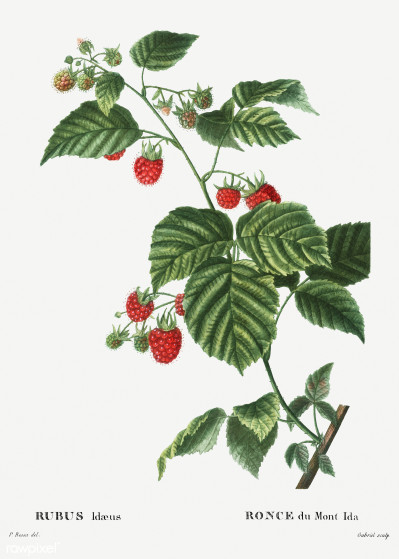
Raspberries (Rubus idaeus) are a rewarding fruit to grow, producing sweet, juicy berries that are perfect for fresh eating, jams, and desserts. Successful planting starts with choosing a sunny location with well-drained soil. Raspberries prefer slightly acidic soil rich in organic matter. When planting, space the bushes about two to three feet apart in rows, allowing good air circulation to prevent disease.
Proper watering raspberries plants is essential, especially during the first year while the roots establish. Keep the soil consistently moist but not waterlogged, aiming for deep watering at the base of the plants rather than frequent shallow sprinkling. Mulching around the plants helps retain moisture, suppress weeds, and maintain an even soil temperature.
Selecting companion plants for raspberry bushes can improve garden health and productivity. Herbs like thyme and oregano help repel pests, while garlic and chives can prevent fungal diseases. Flowers such as marigolds attract beneficial insects that pollinate the raspberries and keep harmful pests under control. Avoid planting raspberries near potatoes, tomatoes, or peppers, as these can increase the risk of shared soil-borne diseases.
Pruning is an important part of raspberry care. Remove dead canes and trim lateral shoots to encourage new growth and maximize fruit production. Fertilize in early spring with a balanced fertilizer to support healthy stems and abundant berries.
With consistent care, including proper planting guidelines, mindful watering, and thoughtful selection of companion plants for raspberry bushes, these shrubs can produce bountiful harvests for many years. Their combination of flavor, productivity, and ease of growth makes raspberries an excellent choice for both beginner and experienced gardeners looking to add vibrant fruit to their garden.
Raspberry plants need consistent watering, well-drained soil, and full sun for healthy growth. Mulch around the base to retain moisture and suppress weeds. Prune dead canes and trim lateral shoots after harvest to encourage new growth. Fertilize in early spring with a balanced fertilizer for strong stems and abundant fruit.
Raspberry bushes are best planted in early spring while the plants are still dormant. In milder climates, early fall planting can also work, giving roots time to establish before winter.
Choose a sunny location with at least six hours of direct sunlight per day. The soil should be well-drained and rich in organic matter. Avoid low-lying areas that stay wet, as raspberries do not tolerate soggy roots.
Space raspberry plants about 2 to 3 feet apart within rows, with 6 to 8 feet between rows. This spacing allows good air circulation and room for pruning and harvesting.
Raspberries originally come from Europe and Asia but have been cultivated worldwide for centuries due to their edible and flavorful berries.
Yes, some raspberry species, like the black raspberry (Rubus occidentalis), are native to North America, while others, including red raspberries (Rubus idaeus), were introduced from Europe.
Raspberry plants need full sun, at least 6 hours daily. More sunlight improves fruit size, color, and overall yield.
Yes, raspberries prefer slightly acidic soil, with a pH around 5.5 to 6.5. Well-drained, fertile soil is essential for healthy roots and strong growth.
The red color comes from natural pigments called anthocyanins, which develop as the fruit ripens and provide antioxidant benefits.
Yes, everbearing red raspberries produce two harvests: a smaller crop in summer on last year’s canes and a larger fall crop on new canes. Regular pruning helps maximize yield.
Last updated on May 31, 2026
Species suggested by: Dina Russell, 2020
Plant Profile compiled and written by: Team PlantShare
Contributors: Team PlantShare
 Ask Us!

