



 Garden The PlantShare Way ®
~ All About Honesty ~


Lunaria annua, often called dollar plant or money plant, adds charm to cottage-style gardens with its spring flowers and distinctive seed pods. Beginners enjoy this plant because it grows easily and brings visual interest long after blooming ends. Still, gardeners should understand both its strengths and limits before planting.
When growing Lunaria annua plant, start with a bright location that receives partial sun. This plant adapts well to light shade, especially in warmer regions. It prefers fertile, well-drained soil but tolerates average garden conditions without trouble. Lunaria annua grows as a biennial, which means it focuses on leafy growth the first year and flowers the second year before setting seed.
Simple Lunaria annua care keeps plants healthy. Water regularly during dry periods, especially while young plants establish roots. Mulching helps retain moisture and reduces weed pressure. Once mature, the plant requires little attention and often reseeds itself freely.
That self-seeding habit leads many gardeners to ask whether Lunaria annua invasive behavior poses a problem. In some gardens, it can spread quickly if seed pods remain on the plant. Removing unwanted seedlings or cutting pods before seeds drop helps control its growth and keeps it from overtaking nearby plants.
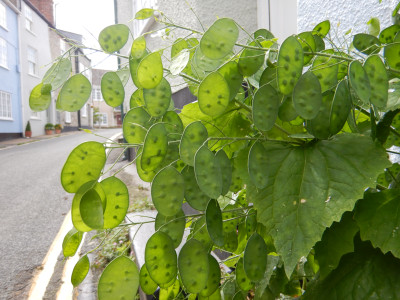
One of the biggest attractions involves Lunaria annua uses beyond the garden bed. After flowering, the plant produces flat, round seed pods with a silvery sheen. These pods dry well and remain popular in floral arrangements, wreaths, and crafts. Many gardeners grow Lunaria mainly for this decorative feature.
With mindful placement and light management, Lunaria annua rewards gardeners with soft spring color, striking seed pods, and natural charm. For beginners, it offers beauty with minimal effort, as long as its spreading habit stays under control.
Plant the seeds in late spring or early summer if you want flowers the next year. You can also sow seeds in early fall in mild climates. The seeds need light soil and steady moisture to sprout well.
Sow seeds directly in the garden or start them indoors and transplant later. Choose a spot with sun or light shade and soil that drains well. Water young plants regularly until they settle in. Once established, the plant grows easily and often reseeds on its own.
Good companions include foxgloves, forget-me-nots, columbine, and hostas. These plants share similar light needs and fit well in cottage-style or woodland gardens. Low plants around Lunaria also help fill empty space after it finishes blooming.
No, Lunaria annua is a biennial. It grows leaves the first year, blooms the second year, and then dies. It often comes back by self-seeding, which can make it seem like a perennial.
Last updated on Jun 19, 2026
Species suggested by: Dina Russell, 2020
Plant Profile compiled and written by: Team PlantShare
Contributors: Team PlantShare
 Ask Us!