


When to 'Plant Flowers': Seasonal Planting Guide
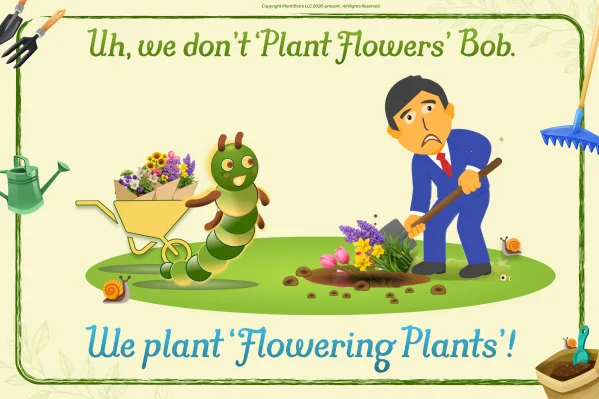
PlantShare LLC, copyright 2026-present. All Rights Reserved.
Flowers bring color, fragrance, and life to your garden. Whether you grow roses, sunflowers, tulips, or wildflowers, timing plays a major role in healthy growth and beautiful blooms. If you plant too early, cold weather can damage young plants. If you plant too late, flowers may struggle during hot summer temperatures.
This seasonal planting guide will help you understand the best time to plant flowers, how different seasons affect growth, and how to give your plants the best start possible. Still unsure? Book a consultation with our expert, Dina Russell, Dr. Plant. We’re here to help.
Why Is This So Confusing?
When you ask, “What is the best time to plant flowers?” you are really asking when is the best time to begin growing plants that make flowers. This question is confusing because the thing, the action and the behavior all use the same word: plant. This one word, plant, is being used as a noun, verb and a category all in the same sentence! And then also we use the word plant for anything that makes or manufactures goods, like cars and you certainly do not want to plant cars!
To make things worse, you can create the same confusion with the word ‘flower’. The word flower is also used as a noun, verb and a category all in the same sentence! And then there is the homonym ‘flour’ which is a plant product made by a plant (wheat, rye, rice, corn, oat, almond, etc.) in a plant (factory) that makes that plant product(s). Yikes!
There is evolution, development and sex involved in the question that is often not addressed at all. Maybe this is because parents – even plant parents?! – have a hard time talking about development and sex with their children, but we don’t have answers for that one.
Why We Don’t Recommend 'Planting Flowers'
Strictly speaking, if you were to ‘plant flowers’, you would be burying a bouquet of flowers in a hole you dig in the ground, just like User Bob in our graphic above. This would be a shame for the flowers and for your pocketbook. It would be a funny video tho’, right?
We do, however, highly recommend that you plant ‘flowering plants’. But then you will have to wait until those plants grow, develop and have plant sex in all the pretty colors of the rainbow. This takes time and patience from both the plant and you. So now that we have that straight, let’s talk about what you need to know so you can enjoy those sexy flowers in a vase or by looking out of your window as you sip a cup of tea.
Why Timing Matters When Planting a Flower Garden
Every flowering plant has its own cycle of growth and development. Some flowering plants thrive in cool weather, while others love warm temperatures and long sunny days. Understanding your local climate and the flowering season for each plant helps you avoid common gardening mistakes.
Planting at the right time helps keep all plants healthy. For flowering plants, this means more blooms. To be healthy, all plants need to:
- develop a strong root system;
- make chemicals to resist pests and diseases;
- be robust enough to survive stressful weather, e.g. wind, drought, sun.
The best time(s) to plant often depends on your USDA hardiness zone, soil temperature, and frost dates. All of these you can find in our Growzy™ - planting guides, tailored to your climate zone, plus deep dives into your favorite plants, including how to grow them, benefits & cautions, culinary uses, preservation methods, and more. It’s everything you need in one place to make the most of your money, your plants and your garden.
When to Plant a Flower Garden in Spring
Spring is the most popular planting season in the United States. Warmer temperatures and longer daylight hours create ideal growing conditions for many flowers.
If you wonder when to plant in spring, the answer depends on your region and the types of flowers you want to grow.
Early Spring Flowers
Plant ‘cool-season flowers’ as soon as the soil becomes workable. These flowering plants and their blossoms can tolerate light frost and cooler nights. Popular early spring flowers include:
- Pansies (Viola x wittrockiana)
- Snapdragons (Antirrhinum majus)
- Sweet peas (Lathyrus odoratus)
- Violas (Viola tricolor)
In northern states, gardeners often start planting in March or April. In some states, planting may begin as early as February. All of this depends on the air and soil temperature.
Mid to Late Spring Flowers
‘Warm-season flowers’ need warmer soil and frost-free conditions. Wait until the last frost date passes before planting these species of flowering plants outdoors.
Common warm-season flowers include:
- Zinnias (Zinnia elegans)
- Marigolds (Tagetes erecta)
- Sunflowers (Helianthus annuus)
- Petunias (Petunia × hybrida)
- Cosmos (Cosmos bipinnatus)
For many gardeners, late April through June is the best time to plant species that will bloom throughout summer.
Summer Flower Planting Tips
Summer planting works best for heat-tolerant flowers. You can also continue planting fast-growing annuals for continuous blooms.
During summer, focus on:
- Watering deeply in the morning
- Adding mulch to keep soil cool
- Avoiding planting during extreme heat
- Choosing drought-tolerant flowers
Flowers like Lantana, Celosia, and Portulaca perform well in hot conditions and may actually require heat to complete their sexual cycle. After all, ‘some like it hot’!
Summer is also a good time to plant containers or raised beds because you can control moisture levels more easily to maximize blooms.
Fall Flower Planting Guide
Many gardeners overlook fall planting, but autumn offers excellent conditions for root development. Cooler temperatures reduce plant stress, and very importantly, the soil still holds warmth from summer. Fall is the ideal season for:
- Planting spring-blooming bulbs
- Dividing perennials
- Establishing cold-hardy flowering plants
Popular flowering plants to try in fall include:
- Tulips (Tulipa gesneriana)
- Daffodils (Narcissus pseudonarcissus)
- Hyacinths (Muscari armeniacum)
- Crocus (Crocus sativus)
- Peonies (Paeonia lactiflora)
In most US regions, plant bulbs about 6 to 8 weeks before the ground freezes.
Winter Gardening for Flower Abundance
Winter may seem quiet in the garden, but it is a perfect time for planning and preparation. In warmer climates, many plants flower during winter.
Winter gardening tasks that maximize next year’s blooms include:
- Starting flower seeds indoors
- Ordering seeds and bulbs, or creating a meetup to exchange plants between users with PlantShare
- Preparing garden beds
- Protecting dormant plants
Gardeners in mild climates like parts of California, Texas, and Florida may grow winter annuals such as pansies and alyssum.
Understanding Annuals and Perennials
Knowing the flowering behavior of a plant is key to setting your expectations.
‘Annuals’ Are Short-Lived Flowering Plants
Annuals (comes from the Latin annuus, meaning “lasting for a year.” The word is derived from annus, meaning “year.”) are species that complete their entire life cycle in one season as a strategy to survive the cold of winter or the heat of summer. Many experienced gardeners use annuals for seasonal color, and save money and effort by scattering seeds and choosing species that ‘self-seed’ naturally for years to come. Popular annuals include:
- Petunias (Petunia × hybrida)
- Impatiens (Impatiens walleriana)
Annuals that grow easily from seed include:
- Marigolds (Tagetes erecta)
- Zinnias (Zinnia elegans)
Annuals that self-seed include:
- Forget-Me-Not (Myosotis sylvatica)
- Silver Dollar (Lunaria annua)
Plant annuals after the danger of frost passes so the seeds and seedlings do not freeze.
‘Perennials’ Are Long-Lived Plants
Perennials (from the Latin perennis, meaning “lasting through the years.” The word is formed from per- meaning “through” and annus meaning “year.”) are plants that live and grow for many years. Perennials can be evergreen, deciduous (lose their leaves in winter) or ephemeral (grow for a short time each year). They often take longer to mature and flower, but provide long-term, cost-effective beauty for the patient gardener. In contrast, annuals grow for one season, flower and set seed and die and biennials grow for two seasons, flower and set seed in the second year and then die. Popular, reliable flowering perennials include:
- Coneflowers (Echinacea purpurea)
- Black-eyed Susans (Rudbeckia hirta)
- Daylilies (Hemerocallis fulva)
Worth-the-wait flowering perennials include:
- Azaleas (Rhododendron indicum)
- Lavender (Lavandula angustifolia)
- Lilac (Syringa vulgaris)
Spring and fall are usually the best planting seasons for perennials.
Tips for Successful Establishment of Flowering Plants
Even if you plant at the perfect time, optimal flowering still needs care. Use these simple gardening tips to improve growth and blooms.
Choose the Right Location: Most flowering plants need at least 6 hours of sunlight daily. Read plant labels carefully before planting.
Prepare Soil: Healthy soil structure helps roots grow quickly and stay healthy. Add compost or organic matter before planting. There’s a lot going on under there!
Water Deeply, Water Well: All plants need regular moisture while in the ‘establishment’ phase. No matter if you’re talking about an annual or a perennial, it’s best to water less often and deeply so the roots grow down to reach water. A light sprinkling every day tricks the roots into growing just below the soil surface, which is a recipe for disaster on the first hot or dry day.
Feed Your Plants: Use balanced fertilizer during active growth. Go light on the nitrogen because that will reduce blooms.
‘Deadhead’ Spent Flowers: Remove faded blooms to encourage new flowers and extend the flowering season. Removing the sexual organs (ovaries, fruits and seeds) tricks the plant into staying sexually active.
Common Planting Mistakes
Beginner gardeners often make simple mistakes that affect plant health. Avoid these common problems:
- Planting too early before the last frost
- Overwatering seedlings
- Crowding plants too closely
- Ignoring sunlight requirements
- Using poor-quality soil
Patience matters in gardening. Sometimes, waiting a few extra weeks or a “less is more” attitude creates much stronger plants.
About PlantShare
PlantShare is a growing community for plant lovers, beginner gardeners, and experienced growers who want to connect through their passion for plants. We help people share plants, learn about plants through games, attend plant-related discussion forums, and find friends in your neighbourhood. Whether you want to grow your first flower bed or expand your garden knowledge, PlantShare offers resources and a supportive community to help you succeed. If you have any questions, contact us and our team will help you soon.
FAQ
When to plant bulbs & tubers?
Plant spring-blooming bulbs in fall before the ground freezes. Tulips, daffodils, and crocuses need cold winter temperatures to bloom properly in spring. Summer-blooming tubers (e.g. dahlias) and bulbs (e.g. gladiolus) should be planted in spring after frost danger passes.
When can I plant flowering plants outdoors?
The best time to plant outdoors depends both on your local climate and the plants themselves. Cool-season plants can go outside in early spring, while warm-season plants should wait until after the last frost date.
How long does it take for a plant to flower??
Fast-growing plants like zinnias and sunflowers may bloom in 8-12 weeks or less after seed germination, while some perennials take a full season or longer to ‘reach maturity’ and flower for the first time.
When do you plant seeds of flowers?
Start seeds of flowering plants indoors about 6 to 8 weeks before your region’s last frost date. You can also sow seeds for some hardy plant directly outdoors in spring or fall, depending on the variety.